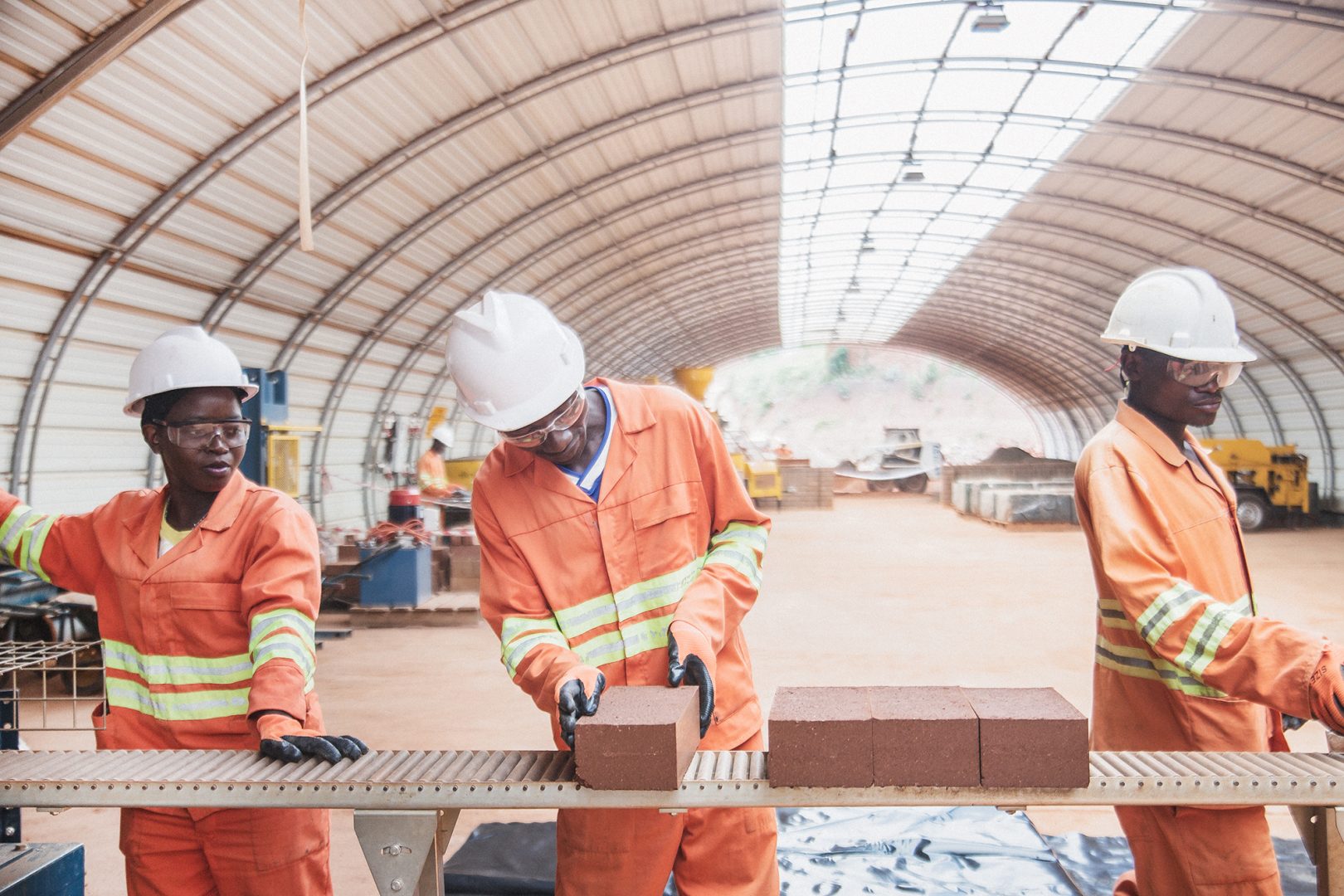
In our Annual Review 2015: Growing in ambition and impact, we speak to Erik Solheim, the former Chair of the OECD’s Development Assistance Committee. Mr Solhiem held this role from 2013 to July 2016, when he became the Executive Director of United Nations Environment Programme (UNEP).
Question: What do you see as the role of the private sector and DFIs in development?
Erik Solheim: There’s no longer a dispute about the need for private sector involvement in development. The role of DFIs is to connect development aid with private investment, and explore how we can employ market forces in the world’s more challenging places.
What contribution do you think DFIs can make in achieving the Global Goals?
To achieve the Goals, countries need finance: they need tax receipts, private investment and official development assistance (ODA). Although they can’t do it alone, DFIs can help in all of these; through mobilising ODA, and encouraging commercial investment by helping to build the private sector in developing countries.
Should DFIs mainly be concerned with Global Goal 8 (for decent work and economic growth) or is their remit wider?
They should also look at Goal 1 – to eradicate poverty by 2030 – because to eradicate poverty you have to create economic growth and provide jobs. Therefore DFIs should work very hard to underpin growth in developing countries.
How do investments from DFIs, such as CDC, create conditions in frontier or emerging markets so other private investment can follow?
They can advise governments, particularly in creating the appropriate legal framework to attract investment. Investors simply won’t come if they don’t see long-term stability. But, most importantly, DFIs can show other potential investors that it can be done – after all, it’s always difficult to be the first to invest.
What do you see as the future role for DFIs?
The most important thing is for DFIs and the private sector to assist in developing countries not ‘on the horizon’ – those where there is very little investment at the moment. There is an essential role to play here in attracting long-term investment and creating jobs.
This article is taken from our Annual Review 2015: Growing in ambition and impact, which you can read in full here.