This investment was made when British International Investment was named CDC Group.
We have now exited this investment. This is what we achieved.
Achieved impact
The purpose of our investment was to strengthen domestic food production and distribution infrastructure, with a focus on supporting inclusive economic growth.
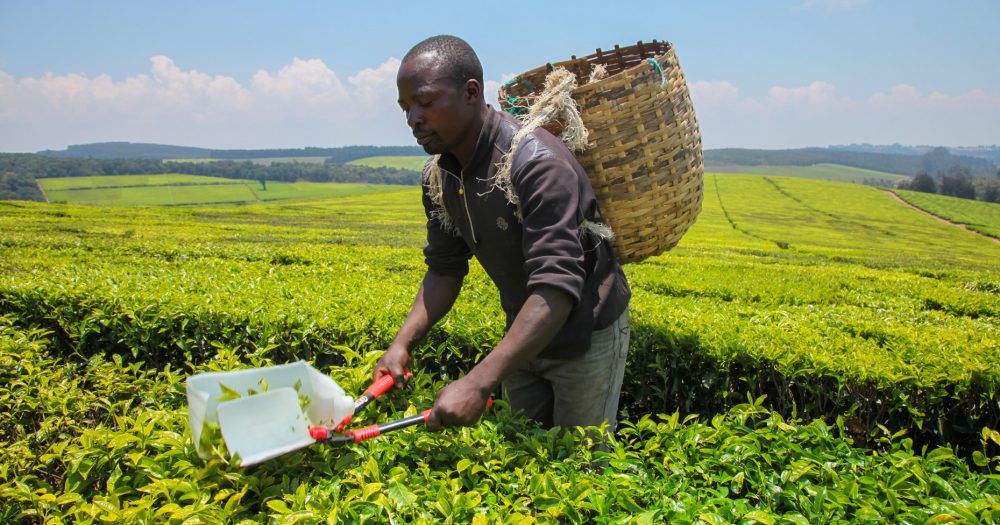
Our investment supported Future Consumer's expansion across its integrated supply chain and retail footprint, including the development of the IFPL Food Park. Over the course of the investment, Future Consumer scaled its operations significantly. Between 2018 and 2020, the company sourced from 17,000 farmers and employed over 5,000 full-time staff at its peak. These activities contributed to local employment and supply chain development across multiple regions in India. While the company later faced financial distress due to external market disruptions, the investment enabled several years of meaningful economic activity and job creation.
We also provided support through environmental and social action planning and business integrity engagement. Although implementation was constrained by the company’s financial challenges, the IFPL Food Park remains a valuable industrial asset.
We exited the investment in early 2025.
Expected impact
We invested INR 2,000 million (around $31.2 million) in Future Consumer, a food and FMCG company within India’s Future Group. Future Consumer runs an integrated “farm-to-fork” business, producing and selling a wide range of food and personal care products across India. Our investment will help the company grow by funding new facilities and supporting day-to-day operations. We aim to create jobs, support smallholder farmers, and improve access to essential goods for rural communities, while delivering strong development impact through our partnership.
Impact information
Applies to investments made from 2019 onwards. The tabs in this section define what we expect to achieve through the investment, assessing the potential impact of the investment against six dimensions of impact. You can find more details on our methodology of assessing impact here.
Applies to investments made from 2019 onwards. The tabs in this section define what we expect to achieve through the investment, assessing the potential impact of the investment against six dimensions of impact. You can find more details on our methodology of assessing impact here.
What?
| Impact |
|---|
Support economic growth and job creation through expansion of labour-intensive food processing facilities (SDG 8.2, 8.5). Improve agricultural productivity and incomes by providing smallholder farmers with access to finance, irrigation, and training (SDG 2.3). Promote sustainable food production systems and resilient agricultural practices through crop diversification and resource-efficient farming (SDG 2.4). Enhance access to essential goods for underserved rural communities via Aadhaar shops and public distribution systems (SDG 1.4). Empower women in rural areas by incentivising participation in community initiatives linked to access to goods (SDG 5.5). Expand access to affordable and clean energy through solar PV installations in food parks and distribution centres (SDG 7.1, 7.2). Improve resource efficiency and reduce environmental impact through waste-to-energy solutions and water conservation technologies (SDG 12.2, 12.5). Reduce greenhouse gas emissions by replacing diesel-powered systems with energy-efficient alternatives (SDG 13.2). Improve standards of living through increased access to affordable information and communications technology in supply chains and retail (SDG 9.C). Strengthen infrastructure for food storage and transport to reduce post-harvest losses and improve market access (SDG 9.1). Increase access to financial services for farmers through microfinance and agri-loans (SDG 8.10). Promote inclusive and sustainable industrialisation through investment in food parks and rural logistics (SDG 9.2). |
|
|
How?
| How? |
|---|
|
We are providing long-term debt to Future Consumer to help the company expand its food production and retail operations. This direct support enables the business to invest in manufacturing facilities and working capital, which in turn creates jobs and strengthens supply chains. Indirectly, our partnership helps Future Consumer engage smallholder farmers, improve access to essential goods in rural areas, and adopt more sustainable practices through targeted development initiatives. |
Who?
| Stakeholder | Geography | Characteristics |
|---|---|---|
| Smallholder farmers |
India |
Direct beneficiaries of financial and technical support programmes, including irrigation, crop diversification, and training. |
| Rural consumers |
India |
Indirect beneficiaries through improved access to essential goods via Aadhaar shops and public distribution systems. |
| Local communities |
India |
Beneficiaries of resource efficiency, renewable energy, and waste management initiatives at food parks and distribution centres. |
How much?
| Scale | Depth/Duration |
|---|---|
|
Future Consumer will source from 17,000 farmers and employ over 5,000 full-time staff. |
We expect the impact to be long-term. |
Contribution/additionality
| Contribution/additionality |
|---|
|
We will provide long-term capital to Future Consumer to help strengthen its operations and support its growth. Our investment will aim to unlock opportunities for the company to expand its reach and improve efficiency across its supply chains. We will also contribute through partnerships that promote inclusive development and environmental sustainability, helping Future Consumer deliver broader benefits to communities and the sector. |
Risk
Execution Risk |
Environmental and social information
-
Environmental and social summary
A high-level description of the environmental and social aspects of the investment. This may include a summary of key environmental and social risks identified during environmental and social due diligence (ESDD); key elements of an environmental and social action plan (ESAP); or ways in which we plan to support the investee improve environmental and social standards, such as through their environmental and social management system (ESMS); as well as any other priority areas agreed with the investee.
-
Environmental and social risk
A risk category rating, which indicates the level of environmental and social risk associated with an investment. For an explanation of the categorisations used, see here. We consistently provide an environmental and social risk category for all investments screened from 2023 onwards.
Environmental and social summary
ESAP compliance could not be achieved owing to no ESAP ownership by investee and BII did not had influence and leverage to escalate owing to competitor takeover of investee.
Reporting and Complaints Mechanism
The Reporting and Complaints Mechanism allows anyone outside BII to report alleged breaches of the business integrity or environmental and social provisions of BII’s Policy on Responsible Investing. This includes breaches made by BII, a BII investee, or a portfolio company of a fund in which BII has invested. The Reporting and Complaints Mechanism Rules are available here. Reports and complaints can be submitted by email to [email protected] or by mail. See more details on our Reporting and Complaints Mechanism here.
For any other general enquiries contact us at [email protected]
-
Key facts
- Last updated
:
When the last quarterly update of the website database occurred.
- June 2026
- Project number
:
An identifier number shared by investments in the same project.
- D2005
- Status
:
The current status of the investment (green flag for active and red flag for exited).
- Exited
- Region
:
The geographical region where the country is located. We currently invest in Africa, South Asia, South East Asia and the Caribbean. In 2023, BII’s investment mandate was extended allowing it to invest in regional funds linked to Ukraine, with the majority of activity expected to begin post-war. Investments outside these regions were made prior to 2012 under previous investment mandates.
- South Asia
- Country
:
The countries where the investment delivers impact. Where impact is delivered in multiple countries, this is indicated.
- India
- Sector
:
We prioritise those sectors that facilitate development and need our capital the most. Our priority sectors contribute towards many of the Sustainable Development Goals. They range from investing in the power infrastructure that will provide people with better access to electricity, to investing in financial institutions that direct capital to the individuals and businesses that need it the most.
- Business and consumer services
- Sub sector
:
The sub-sector that the investment is made into; this provides a more granular level of detail than the ‘sector’ information
- Household Products
- Investment policy :
- Growth
- Investment type :
- Debt
- Start date :
- March 2018
- End date :
- April 2025
- Amount :
- $31.43m
- Currency of investment :
- INR
- Domicile
:
The company or investment fund’s place of incorporation.
- India
We provide capital in the following ways: directly – through direct equity, direct debt, guarantees and other non-intermediated financial instruments; and indirectly – principally through investment funds.
Type of investment portfolio that each investment is made under. Since 2014, we have run two investment portfolios: Catalyst and Growth. In addition, our Kinetic Portfolio enables us to manage concessional investment strategies.
For direct investments and fund investments, this is the date BII committed capital to the investments. This is typically the date on which legal agreements are signed by all parties.
For the portfolio companies of our fund investments, this is the date (either the month or the quarter) on which the fund committed capital to the portfolio company.
For direct equity investments, this is the date at which British International Investment exited the investment.
For debt investments, this is the date at which the final debt repayment was made.
For funds, this is the date at which the fund was terminated.
For underlying fund investments, this is the date at which the fund manager exited the investment.
The total amount committed, per financial instrument, per investment, on the date BII becomes subject to a binding legal obligation to provide funding or assume a contingent liability. This information is provided in US dollars.
For direct investments, this is the amount that BII has committed to the business or project. For fund investments, this is the amount BII has committed to the fund.
The currency in which the investment was made.
- Last updated